The Best Kona Coffee Brands and Where to Taste Them First
The best Kona coffee brands are the ones you can stand in the middle of. Here is what the labels legally mean, which roasters welcome visitors, and how to taste before you buy.
Short answer
100% Kona means beans grown only in the North and South Kona districts, and blends must currently hold at least 10% Kona, rising to 51% in July 2027. The roasters you can visit include Greenwell, Heavenly Hawaiian, Hala Tree, Mountain Thunder and Kona Joe, with farm tours from $5 to $50.
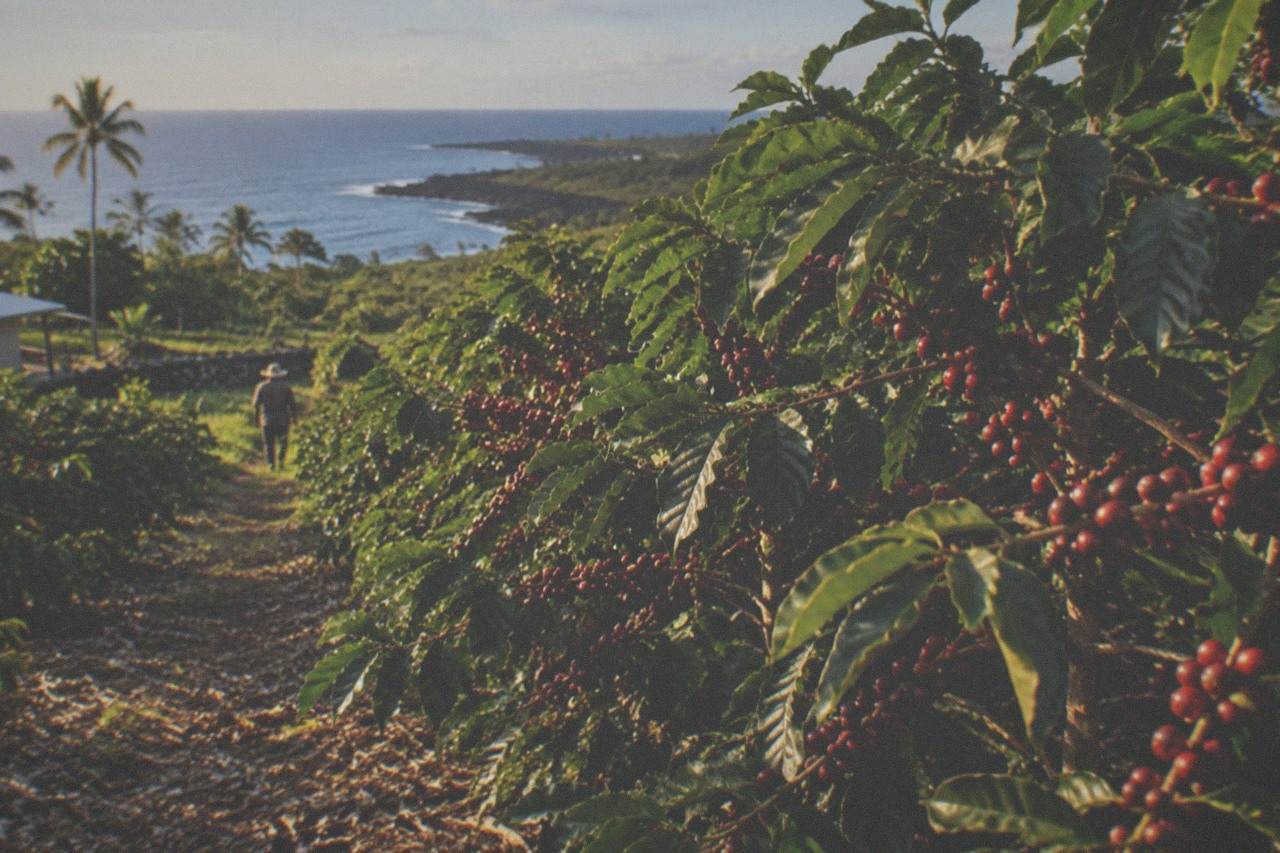
The best Kona coffee is not a single brand. It is a district, a labeling law, and a short list of farms that will let you walk the rows before you buy a bag. That last part matters more than most visitors expect: Kona is small, roughly 30 miles north to south and about 2 miles wide on the western slopes of Hualalai and Mauna Loa, and the farms inside that strip sell most of what they grow themselves. Tasting at the source is the cheapest and most reliable way to find your brand.
This guide covers the roasters you can actually visit, what the words on their bags legally mean, and how to structure a tasting day. It sticks to figures that are verified: tour prices from the bookable listings, farm-gate and green coffee prices from the 2025-26 season data, and the labeling rules straight from the state agriculture department. Where a bag price is not on record here, it says so instead of guessing.
What Does 100% Kona Actually Mean?
Under Hawaii law, "100% Kona Coffee" means beans grown only in the North and South Kona districts, meeting state green coffee grading standards. A "Kona blend" needs only 10% Kona today, and that floor rises to 51% on July 1, 2027. Since 2024, every bag using a Hawaii origin name must state its percentage of Hawaii-grown coffee on the front label.
The rules changed in a meaningful way in 2024. Act 211 and Act 198 amended the statute so that any roasted, instant, ready-to-drink or single-serve coffee using a Hawaii geographic origin name must carry an identity statement disclosing the percent by weight of Hawaii-grown coffee, plus a "Contains:" list of every origin and percentage in descending order, on the front label. The state's Measurement Standards Branch published labeling guidelines spelling this out, and enforcement is largely complaint-driven with retail inspections.
For a shopper, the practical read is simple. "Kona Coffee" alone on a bag implies 100% Kona, and a blend must lead with its number, like "10% Kona Coffee Blend," followed by the full origin list. The 10% minimum has been the floor for years; on July 1, 2027 it rises to 51% Kona-grown beans for anything calling itself a Kona blend. Both halves of that fact matter, because a blend you buy today and the same product after mid-2027 may be genuinely different coffees.
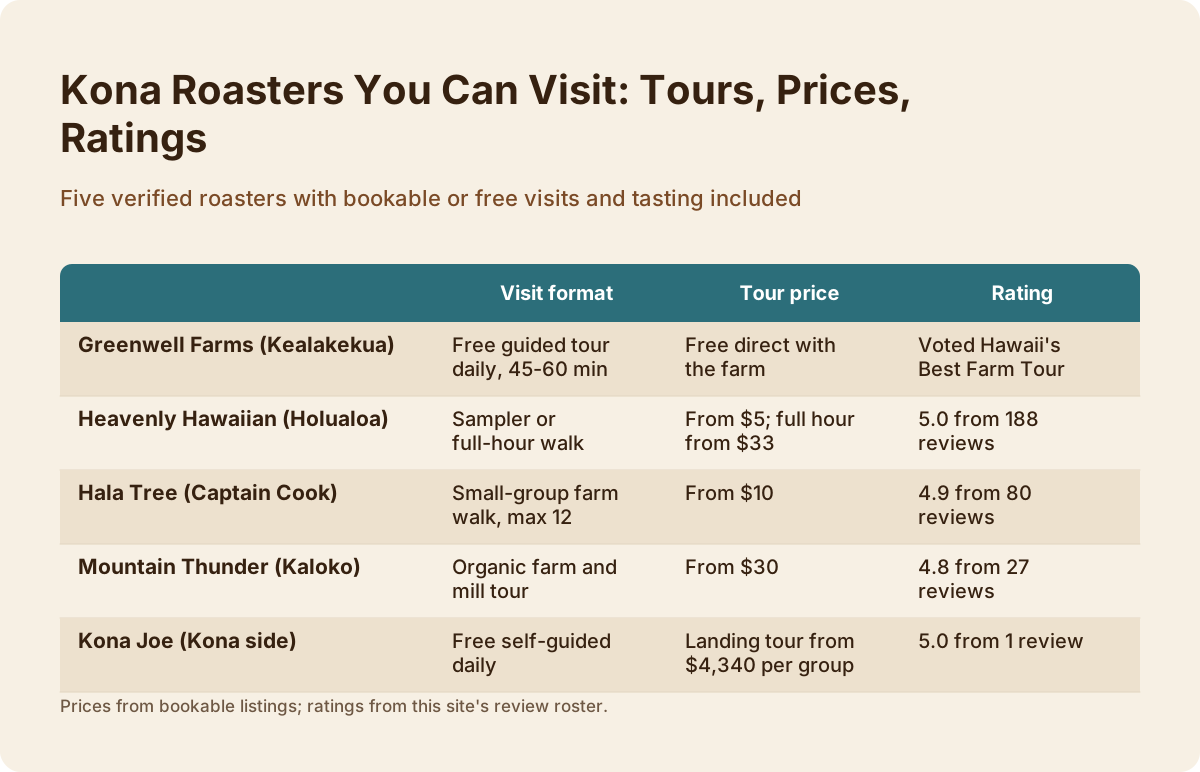
The voluntary layer sits on top. The Kona Coffee Council, a nonprofit grower organization, administers a 100% Kona Seal of Approval that includes a green miller's audit trail. It is optional, so an excellent farm may carry no seal at all, but a bag bearing it has an extra paper trail behind the claim.
| Label claim | Legal requirement | Notes for shoppers |
|---|---|---|
| 100% Kona Coffee | Beans grown only in North and South Kona districts, state grading standards | The strictest claim; optional Council seal adds an audit trail |
| 10% Kona blend (current) | At least 10% Kona-grown coffee, front-label percentage and origin list | The floor since before 2024; most supermarket "Kona" falls here |
| 51% Kona blend (from July 1, 2027) | At least 51% Kona-grown coffee from the claimed origin | Already law, date-certain; blends must reformulate or rebrand |
| 100% Hawaiian / All Hawaiian | 100% grown and processed in Hawaii, including decaffeination | Broader than Kona; covers other island origins |
If you want the deeper geography behind why those district lines matter, the Kona coffee belt explained covers the elevation band and climate that produce the cup.
Which Kona Coffee Roasters Can You Visit?
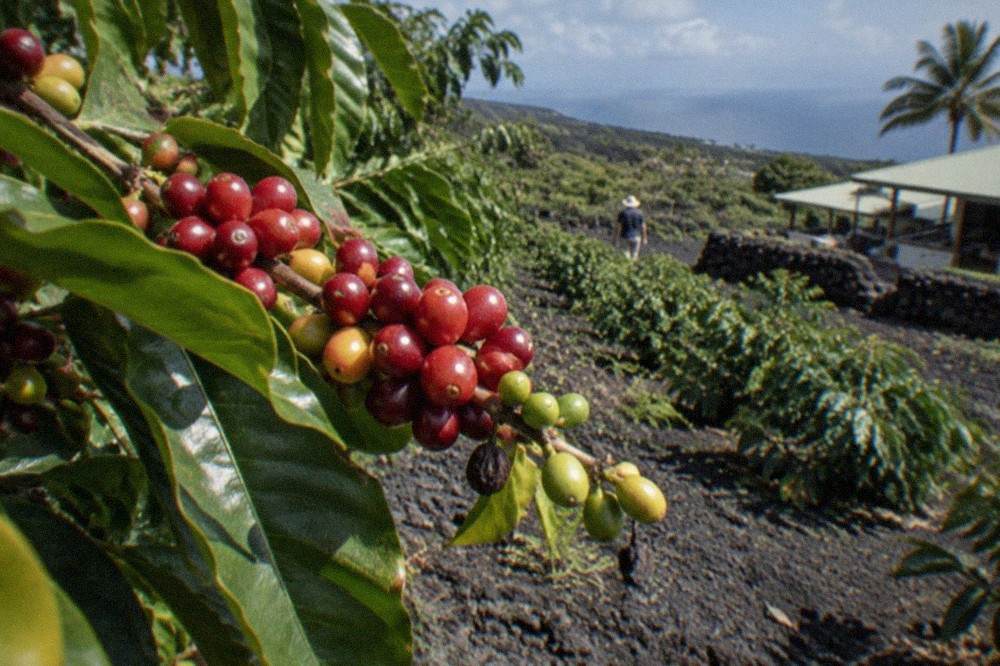
Five roasters on the verified visit list welcome the public: Greenwell Farms in Kealakekua, Heavenly Hawaiian in Holualoa, Hala Tree in Captain Cook, Mountain Thunder north of Kailua-Kona, and Kona Joe, reachable by helicopter landing tour. Greenwell runs a free daily guided tour, Mountain Thunder runs free short walk-ins, and the rest sell bookable farm walks from $5 to $50, all with tasting included.
This is the short list worth planning around, and the reason is practical. Kona has dozens of farms, but only a handful combine a walkable operation, a tasting counter, and hours you can rely on. Greenwell Farms is the anchor: free guided tours daily, every 30 minutes from 8:30am to 2:00pm, no reservation, 45 to 60 minutes, with a tasting at the end, and the farm has been voted Hawaii's Best Farm Tour by Hawaii Magazine in 2021 and again from 2023 through 2026. Its official tour page carries the current times.
Heavenly Hawaiian sits 8 minutes up the hill from Kailua-Kona in Holualoa, with two bookable versions of the same walk: a near-free sampler listing at $5 with the fee credited to the gift shop, and the fuller hour at $33. Hala Tree is 23 to 26 minutes south in Captain Cook, running the highest rated farm walk on this site's roster at 4.9 from 80 reviews, from $10. Mountain Thunder, 10 minutes north of Kailua-Kona, is the only one with a working mill on the tour and the word Organic in its listing title.
Kona Joe is the outlier. The farm runs free self-guided tours daily, but the memorable way in is the private helicopter landing: a 45-minute flight with up to 3 guests and a 20-minute landing at Kona Joe Coffee with a private tasting, from $4,340 per group. No street address is published for the landing, and this guide will not invent one.
| Roaster | Location | Visit format | Bookable tour price | Rating and reviews |
|---|---|---|---|---|
| Greenwell Farms | Kealakekua | Free guided tour daily, 45-60 min | Free direct with the farm | Voted Hawaii's Best Farm Tour 2021, 2023-2026 |
| Heavenly Hawaiian | Holualoa | Sampler or full-hour walk, tasting included | From $5, fee credited to gift shop; full hour from $33 | 5.0 from 188 reviews (sampler); 4.9 from 265 (full hour) |
| Hala Tree | Captain Cook | Small-group farm walk, max 12 | From $10 | 4.9 from 80 reviews |
| Mountain Thunder | Kaloko, north of Kailua-Kona | Organic farm and mill tour, 2 hours | From $30 | 4.8 from 27 reviews |
| Kona Joe | Kona side | Free self-guided, or helicopter landing with tasting | Landing tour from $4,340 per group | 5.0 from 1 review |
If tasting is the whole point of your trip rather than a stop on it, the Kona coffee tasting guide maps the tasting rooms in more depth.
Where Should You Taste Each Brand First?
Start with the format that matches your commitment level. For a first taste, Heavenly Hawaiian's $5 sampler walk or Greenwell's free tour costs you almost nothing and pours multiple roasts. For a real comparison, Hala Tree's cupping workshop, capped at 4 participants at $50, teaches you to taste side by side. For a full morning, the coffee and chocolate combo at 5.0 from 392 reviews bundles coffee with chocolate and gift stops over 3 hours at $50.
The sampler-first strategy works because Kona coffee varies more between farms than most visitors expect, and the variation is not just quality. Elevation, shade, roast style and processing all move the cup, and the only way to know which farm's profile you prefer is to taste several in a short window. Greenwell's free tour ends with a tasting, Heavenly Hawaiian's includes samples of its 100% Kona roasts, and Hala Tree pours flights at the farm.
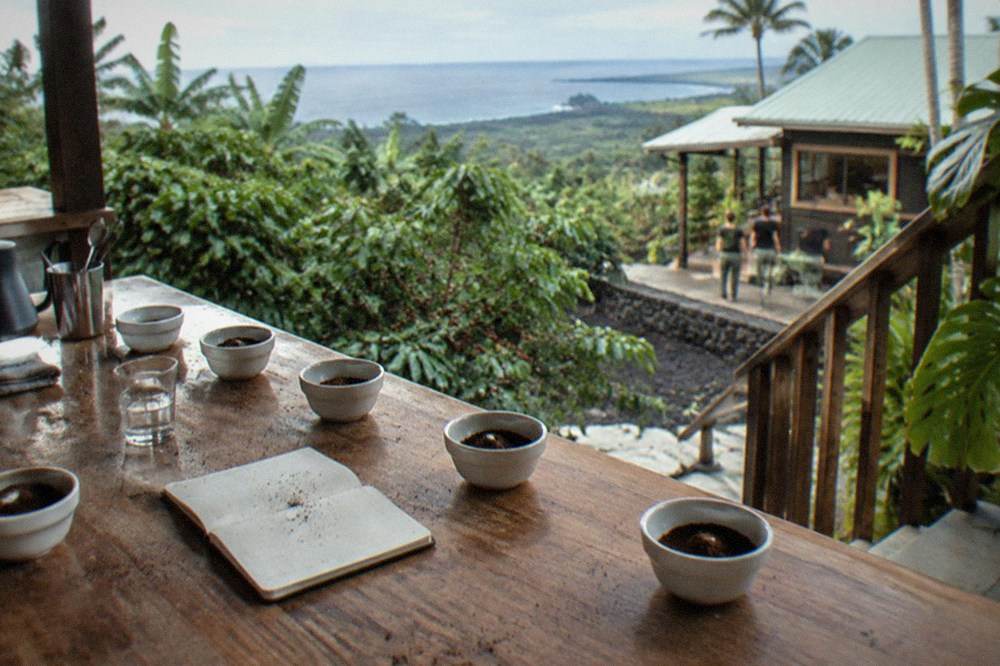
The cupping workshop is the step up. Hala Tree's session is a new listing with no reviews yet, but the format is the professional one: capped at only 4 spots per session, one hour, at the Captain Cook farm. Cupping is how growers and buyers judge coffee, slurped from spoons at a standard strength, and an hour of it will recalibrate your palate more than a dozen casual tastings.
The combo tour is the third door. The Award Winning Farm Tour from Kona Natural Soap, which runs 3 hours and covers coffee, chocolate and unique gifts, is the best reviewed tour on this site's roster, rated 5.0 from 392 reviews. Check the live listing for current availability and pricing. Coffee is one thread of it, alongside chocolate and gift stops, which makes it a good pick when your group contains people who care about coffee and people who do not.
Is Peaberry the Premium Kona Grade?
Peaberry is a shape, not a variety: roughly one bean in twenty forms as a single rounded seed instead of the usual flat pair, and those beans are sorted out and sold separately at a premium. Under Hawaii grading standards the top grades are Extra Fancy, Fancy, Prime and Peaberry, with size and density driving the first three and the rare single-bean mutation driving the last. Whether peaberry tastes better is contested; that it costs more is not.
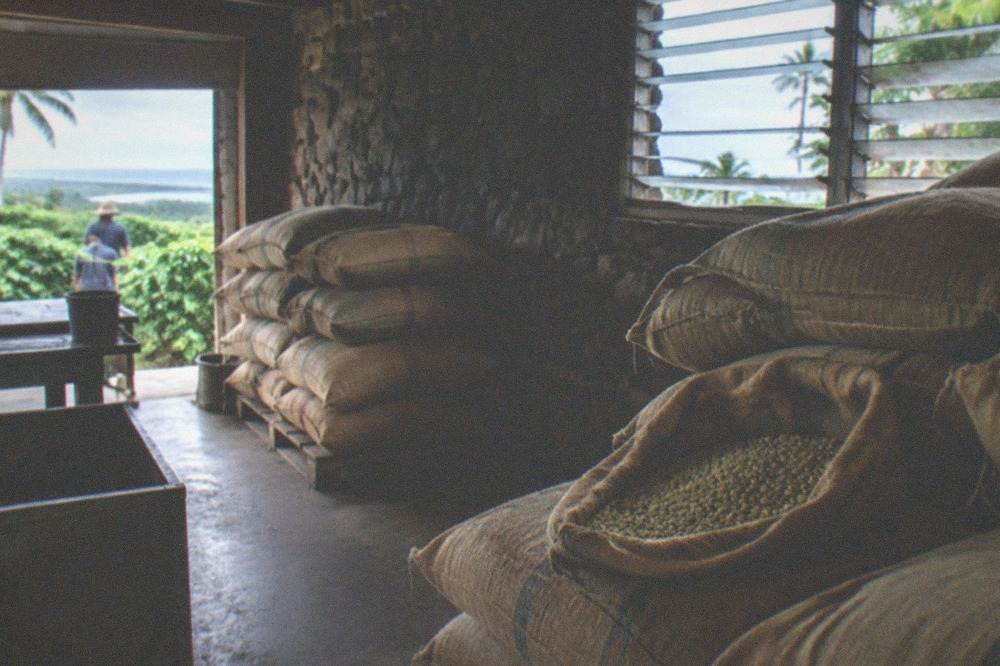
The sorting happens at the mill. Greenwell's processing line, for example, runs a laser optical sorter, and every serious Kona mill separates peaberries mechanically before roasting. Because only a small fraction of the crop comes out round, the supply is limited, and the price follows. The same farm's peaberry bag typically sits at the top of its retail range, above its Extra Fancy. The full index of guides sits on Kona Coffee Tours.
Whether the cup justifies the price is a fair argument. Some roasters and many drinkers say the round bean roasts more evenly and cups sweeter; others run blind tastings and find no consistent edge. The honest position for a buyer is that peaberry is the premium grade by convention and scarcity, and the only way to know if it is worth it to you is a side-by-side taste, which is exactly what a farm tasting room offers.
| Grade | What drives it | What it means at the shelf |
|---|---|---|
| Extra Fancy | Largest, densest beans | Top of the flat-bean ladder, highest flat-bean price |
| Fancy | Slightly smaller screen size | Excellent cup, usually a step down in price |
| Prime | Smaller acceptable screen | Entry grade for 100% Kona, still single-origin |
| Peaberry | Single rounded bean, sorted out of the run | Sold separately at a premium; scarcity-based |
What Does Kona Coffee Cost in 2026?
At the farm gate, Hawaii cherry coffee hit a record $2.51 per pound in the 2023-24 season, and the 2025-26 crop is forecast down 20% at 17.8 million pounds. Milled green Kona runs roughly $25 to $35 per pound. Retail 100% Kona sits well above blend prices, and a 10% blend costs a fraction because 90% of the bag is other coffee. On the visit side, tasting ranges from free to $50.
The supply story explains the shelf. USDA's January 2026 forecast put Hawaii coffee at 17.8 million pounds of cherry, down 20% from the prior season, with bearing acreage down to 6,500 and average yield down to 2,800 pounds per acre. Less coffee plus record farm-gate prices means authentic 100% Kona carries a premium that is structural, not marketing.
That is also why the blend rules matter so much to your wallet. A bag labeled 10% Kona contains one part Kona to nine parts something else, so it can be priced far below the 100% product while wearing the Kona name. After July 1, 2027, that same blend must be at least 51% Kona, which will compress the price gap considerably (see Worth the Price?). If you want to dig into whether buying in Hawaii beats buying at home, the is it cheaper to buy Kona coffee in Hawaii piece works the numbers.
| Cost layer | Verified figure | Source |
|---|---|---|
| Farm-gate cherry, record | $2.51/lb (2023-24 season) | Hawaii DOA data, November 2025 |
| 2025-26 state crop forecast | 17.8 million lb cherry, down 20% | USDA NASS, January 2026 |
| Milled green Kona, typical | $25-35/lb | Industry pricing, 2026 |
| Free farm visits | Greenwell guided daily; Mountain Thunder short walk-ins; Kona Joe self-guided | Farm sites, 2026 |
| Bookable tastings and walks | $5 to $50 per person | This site's tour roster |
| Cupping workshop | $50, max 4 per session | This site's tour roster |
How Do You Plan a Tasting Day Across the Brands?
The geography does the planning for you. Holualoa is 8 minutes from Kailua-Kona, Captain Cook is 23 to 26 minutes, and Mountain Thunder is 10 minutes north, so a single morning can cover two farms and an afternoon can add a third. Book the paid walks ahead, walk in free at Greenwell, and if your visit lands November 6 to 15, 2026, the Kona Coffee Cultural Festival stacks farm tours, a cupping competition and tastings into ten days.
Start north or south depending on where you sleep. From Kailua-Kona, Mountain Thunder's 2-hour mill tour is the morning anchor if you want to see processing machinery; the free Greenwell walk is the anchor if you want the classic seed-to-cup story with zero cost. Then drive south: Heavenly Hawaiian in Holualoa sits on the way to Captain Cook, where Hala Tree's max-12 walks run about an hour. Two farms before lunch is realistic; three is a full day.
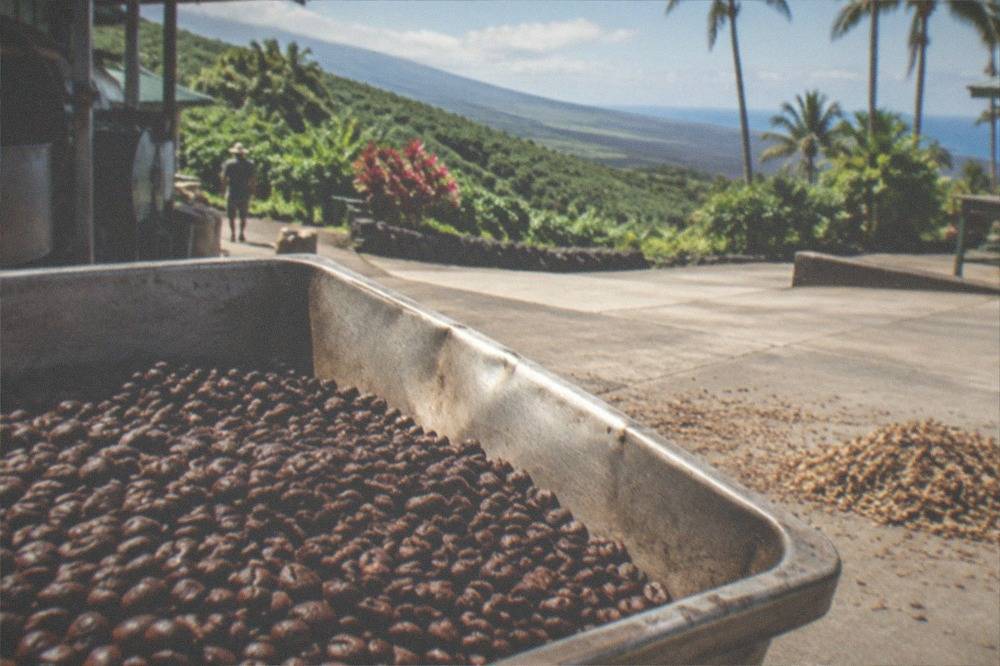
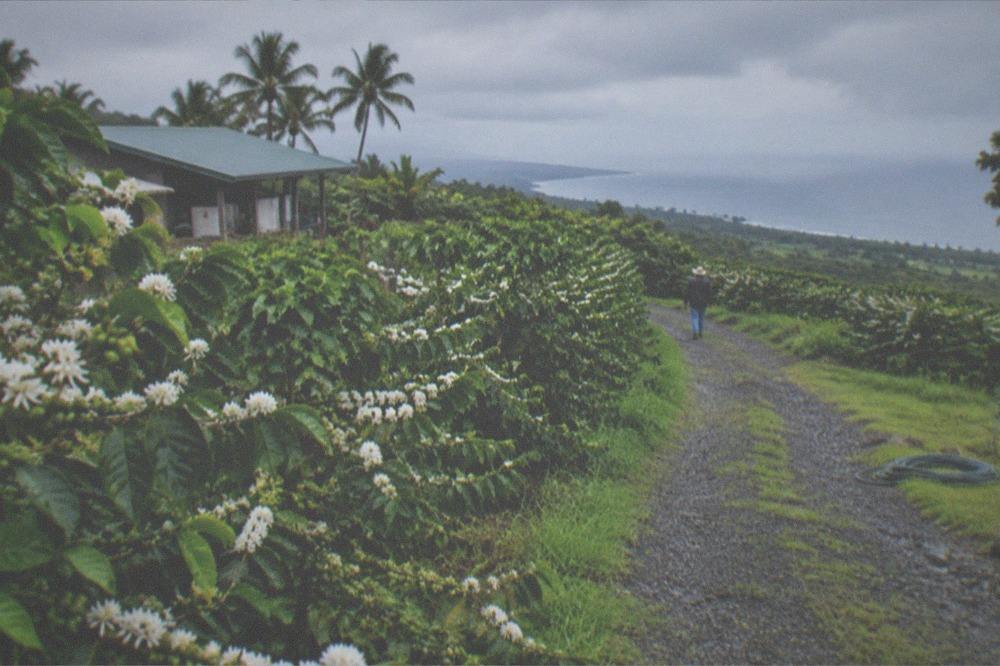
Timing against the harvest changes what you see. Picking runs late August through January with the peak from October to December, when the drying decks are full and the mills run. From roughly December into spring you get pruning, flowering and young green berries instead: quieter, greener, still worth the walk. The Kona Coffee Cultural Festival, November 6 to 15 in 2026, is the one window when the whole belt opens up at once, with a Holualoa Coffee and Art Stroll, a cupping competition and multiple farm events.
| Stop | Drive from Kailua-Kona | Time needed | Book ahead? |
|---|---|---|---|
| Mountain Thunder, Kaloko | ~10 minutes north | 2-hour tour | Yes, from $30 |
| Heavenly Hawaiian, Holualoa | ~8 minutes | 30 min to 1 hour | Yes, from $5 or $33 |
| Greenwell Farms, Kealakekua | ~15-20 minutes | 45-60 min | No, walk in |
| Hala Tree, Captain Cook | 23-26 minutes | 1 hour | Yes, from $10, max 12 |
One planning note that saves arguments: the bookable walks have group caps, and the small ones fill. Hala Tree caps at 12, the Heavenly Hawaiian full-hour walk caps at 20, and the cupping workshop takes only 4 per session. The free Greenwell tour has no cap and no reservation, which makes it the flexible fallback for a day that did not go to plan.
Which Brand Should You Actually Buy?
Buy the farm you enjoyed tasting at, in this order of evidence: a 100% Kona bag whose front label states its percentage and grade, from a roaster whose operation you walked through. Hala Tree, Heavenly Hawaiian, Greenwell, Mountain Thunder and Kona Joe all sell their own 100% Kona at their farms. If budget rules, a 10% blend from a named Kona farm is honest coffee, just know the 90% and the 2027 change.
The reason to buy where you tasted is not sentiment. Kona coffee is perishable and roast-dated, and a bag from the farm's own counter has the shortest distance and the clearest provenance between the tree and your grinder. You have also just tasted it, which beats any review, rating or recommendation, including this one. Where the site's roster carries a rating, it is printed with its review count above; where a bag price is not on record, the farm store is the check.
For gifts and shipping, the farms all mail. That is the one place where buying in Hawaii versus at home genuinely diverges, and the cheaper-in-Hawaii question has its own full treatment. For the coffee itself, the honest hierarchy is: 100% Kona you tasted, 100% Kona from a farm you visited, 100% Kona with the Council seal, then a labeled blend from a named farm, then everything else wearing the name.
Common Questions About The Best Kona Coffee Brands
What is the best brand of Kona coffee in Hawaii?
There is no single verified answer, and any site claiming one is guessing. The brands you can taste at the source are Greenwell, Heavenly Hawaiian, Hala Tree, Mountain Thunder and Kona Joe, and the best one for you is whichever cup you preferred at the tasting counter. Greenwell's tour has been voted Hawaii's Best Farm Tour by Hawaii Magazine repeatedly, but that is a tour award, not a cup ranking.
What does 100% Kona mean on a label?
It means the beans were grown only in the North and South Kona districts of Hawaii Island and meet state green coffee grading standards. Since 2024, the front label must also state the percentage of Hawaii-grown coffee and list every origin. The Kona Coffee Council offers a voluntary 100% Seal of Approval with an audit trail on top of the legal requirement.
Is a 10% Kona blend real Kona coffee?
It is legally a Kona blend, containing at least 10% Kona-grown beans, with the rest from other origins that must be listed on the front label. The minimum rises to 51% Kona on July 1, 2027, so blends sold after that date will contain substantially more Kona. Whether 10% tastes like Kona to you is a palate question, not a legal one.
Is peaberry the best Kona coffee grade?
Peaberry is the premium grade by scarcity and convention: roughly one bean in twenty forms as a single rounded seed, gets sorted out at the mill, and sells at a premium. Extra Fancy is the top flat-bean grade by size and density. Whether peaberry cups better is contested, so taste both at a farm before paying the difference.
Can you tour the farms that sell the best Kona coffee?
Yes. Greenwell runs a free guided tour daily with no reservation, Mountain Thunder runs free short walk-ins and a paid 2-hour mill tour, Heavenly Hawaiian and Hala Tree sell bookable walks from $5 and $10, and Kona Joe offers free self-guided visits plus a private helicopter landing with tasting. Details and current prices are on each farm's live listing.
Why is Kona coffee so expensive right now?
Supply is down and farm-gate prices set records. The 2025-26 Hawaii crop is forecast at 17.8 million pounds of cherry, down 20%, and the farm-gate price hit a record $2.51 per pound in the 2023-24 season. Milled green Kona runs roughly $25 to $35 per pound, and 100% Kona retail carries that cost through.